
Our History & Formation
The Luo National Congress LNC is the nucleus of a pan-Luo institution.
Our History
Luo National Congress (LNC) is the nucleus of a pan-Luo institution with its foundation
firmly anchored on the central theme of the Luo condition, the Luo migration itself.
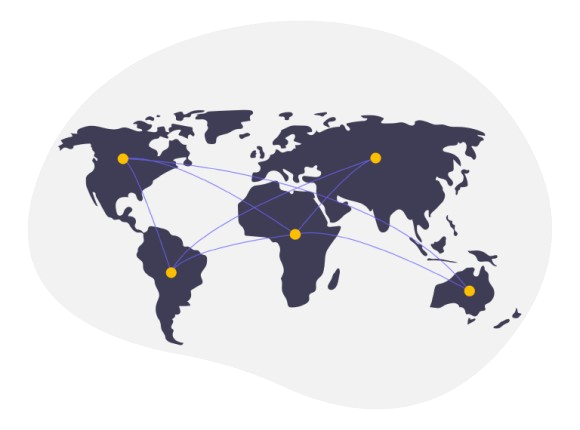
The Luo migration is a paradox: it both separates us and binds us together, like the
expansion and contraction of an elastic band. From our ancestral origins, we have
spread across East Africa and beyond, from Gambella to Mahagi, from Malakal to Mara,
and now to every corner of the globe. This dispersion created distance, but it also
created networks. It separated families, but it also built bridges between nations. It
scattered us geographically, but it strengthened our identity culturally.
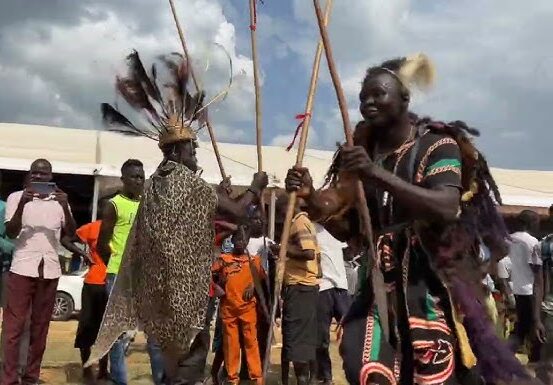
Today, we Joluo find ourselves at a crossroads in history. Our social, economic, and
cultural position across our ancestral territories is precarious. From the shores of Lake
Victoria to the White Nile, from the Ethiopian highlands to the Tanzanian plains, our
people face challenges that threaten not just our prosperity, but the very fabric of our
identity. For that reason, we all feel an urgent need to tighten, at this point in time, the
elastic band that binds us together into Wan Aciel (We are One).
This is not the first time our people have recognized the need for unity. A first attempt
at tightening the Luo band was carried out by our forefathers under the auspices of
their institution, the Luo Union. Our ancestors understood what we are rediscovering
today: that our strength lies in our unity, that our diversity is our wealth when
channelled collectively, and that we can only secure our place in history by standing
together.
Today, with the advent of modern information and communications technology, the
stars are once again aligned. The opportunity is here for our generation to pick up the
mantle from where our forefathers left off and continue the journey of Luo integration.
The Luo migration has reached its peak; we have achieved what our ancestors could
only dream of. Today, the Luo diaspora is everywhere: in Kampala, in Juba, in Nairobi, in
Addis Ababa, in Kinshasa, in Dar es Salaam, in Toronto, in Canberra, in New York, in
London, in Sydney, in Paris. Our children graduate from the world's finest universities.
Our professionals excel in every field - medicine, engineering, law, technology, arts,
business, and academia.

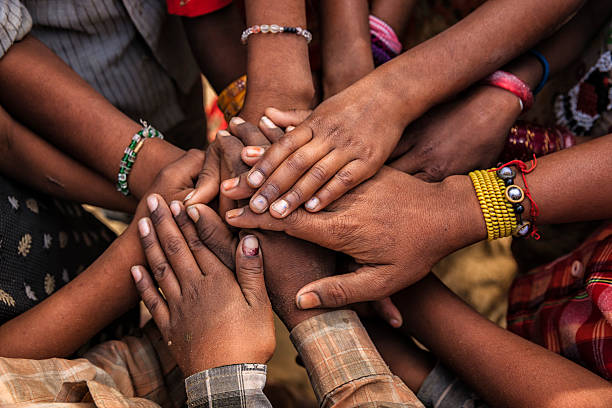
But this success has created a challenge: how do we channel this human and material
wealth back into Pinyluo (our homeland)? How do we ensure that the gains of the Luo
migration benefit the collective? How do we make sure that the elastic band, stretched
to its furthest extent, does not snap, but instead creates a network of strength?
It is time for the consolidation of the gains of the Luo migration won by our ancestors.
The gains of the Luo migration have created a beautifully diverse set of Luo stakeholders. We now include:
- Joluo m'olal i tim - Luo who went out into the world, who left pacho (home) long ago and have never returned, yet whose hearts still beat to the rhythm of Pinyluo.
- The separated Luo groups in Pinyluo proper - our brothers and sisters who are Acoli, Alur, Anyuak, Balanda Boor, Collo, Pari, Luwo, Langi, Kuman, Jopadhola, and Thuri - who don't have regular natural contact because artificial colonial boundaries divided what should never have been separated.
- The youth born in the diaspora who are discovering their identity and seeking a connection to their roots.
- The elders at home who hold the wisdom and traditions that must be passed on.
- Diaspora Joluo who have never set foot in Pinyluo and don't speak Dholuo/ Lebluo, yet carry our heritage in their DNA and their names
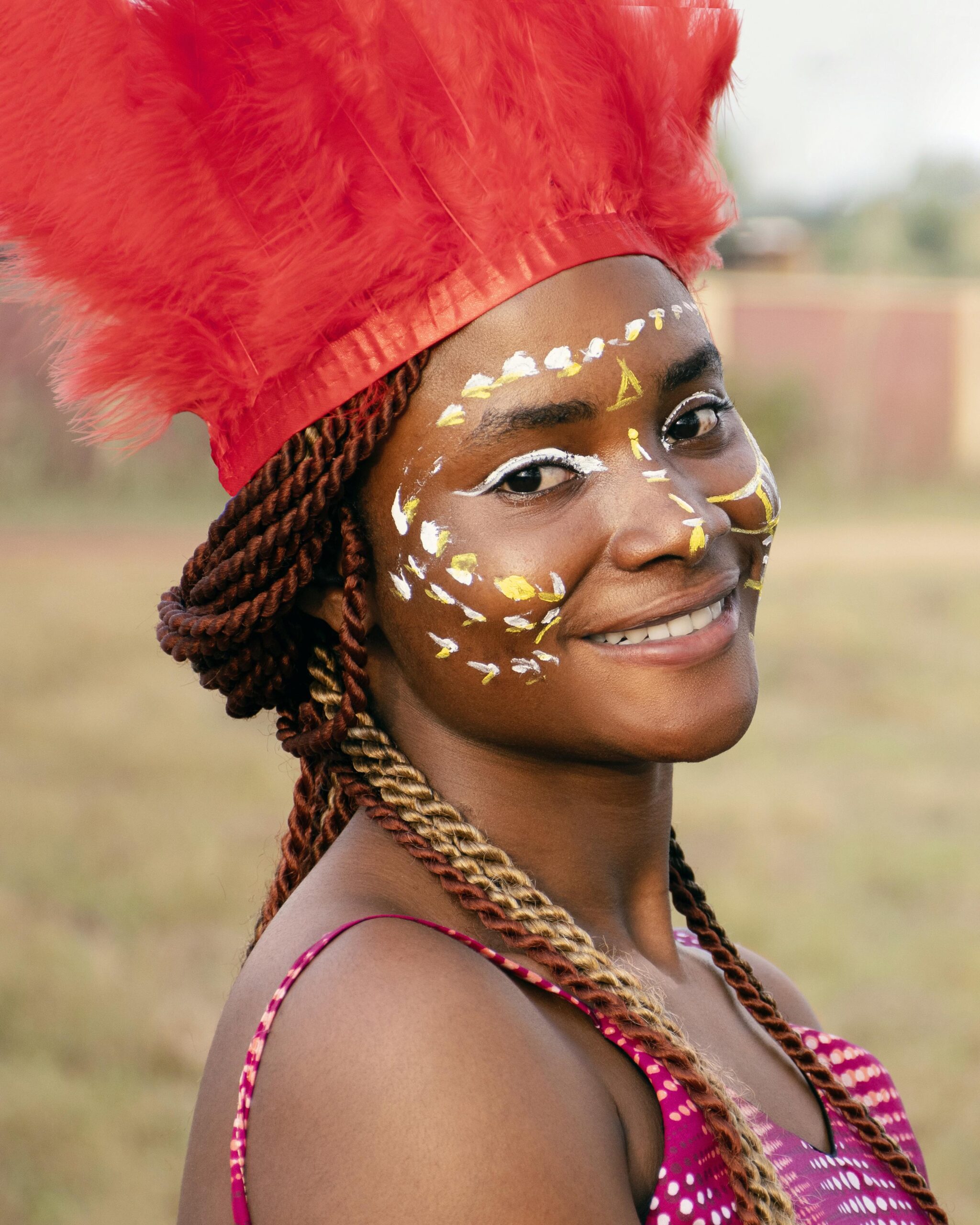
Each group has something invaluable to contribute. Each represents a different dimension of the Luo experience. Each is essential to the whole.
The Colonial Division
One People, Many Borders
The Luo people were once a continuous cultural and linguistic community stretching across the heart of East Africa. But colonial partitioning carved artificial boundaries through our homeland, separating families, disrupting trade routes, and fragmenting what had been a cohesive nation. These colonial borders persist to this day, dividing the Luo body into separate national jurisdictions.
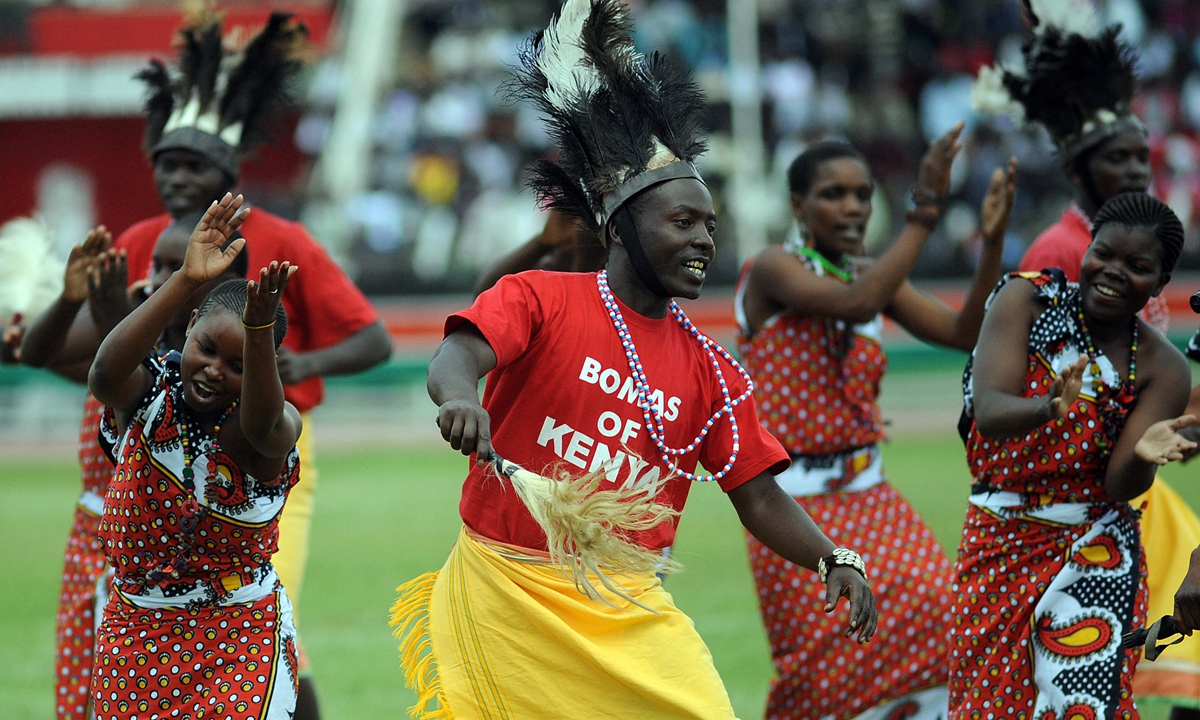
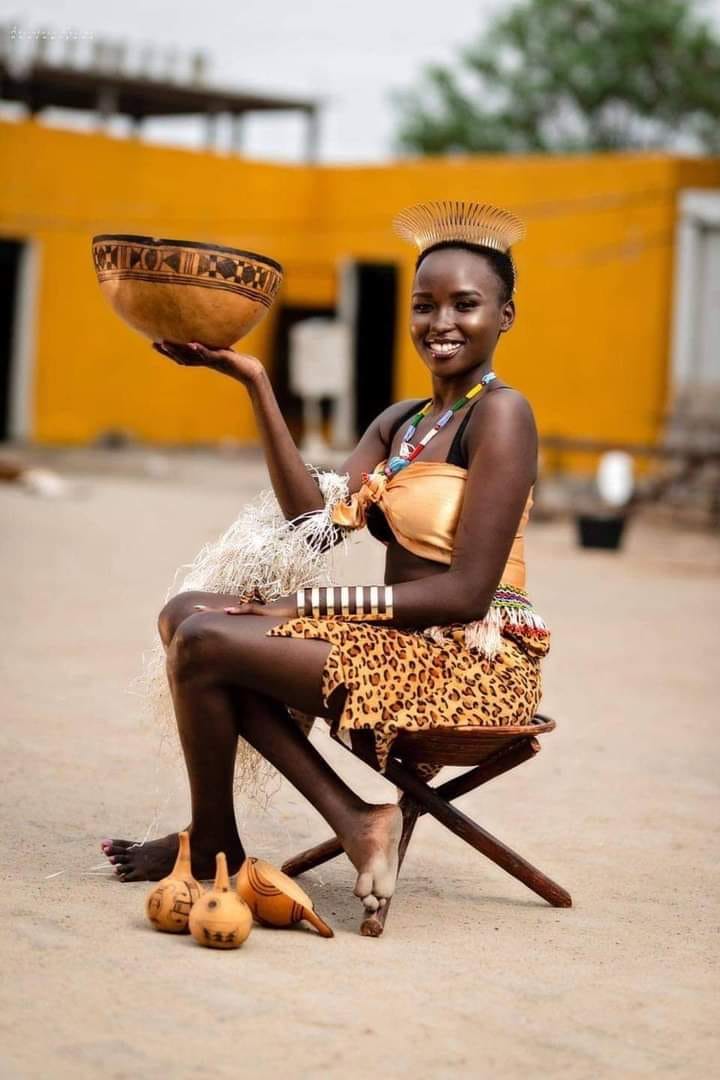
Kenya
- Jo-Luo (the Luo of Nyanza region): The largest Luo population, centered around Lake Victoria in counties including Siaya, Kisumu, Homa Bay, Migori, and Kisii. The Kenyan Luo are approximately 5-6 million people.
Uganda
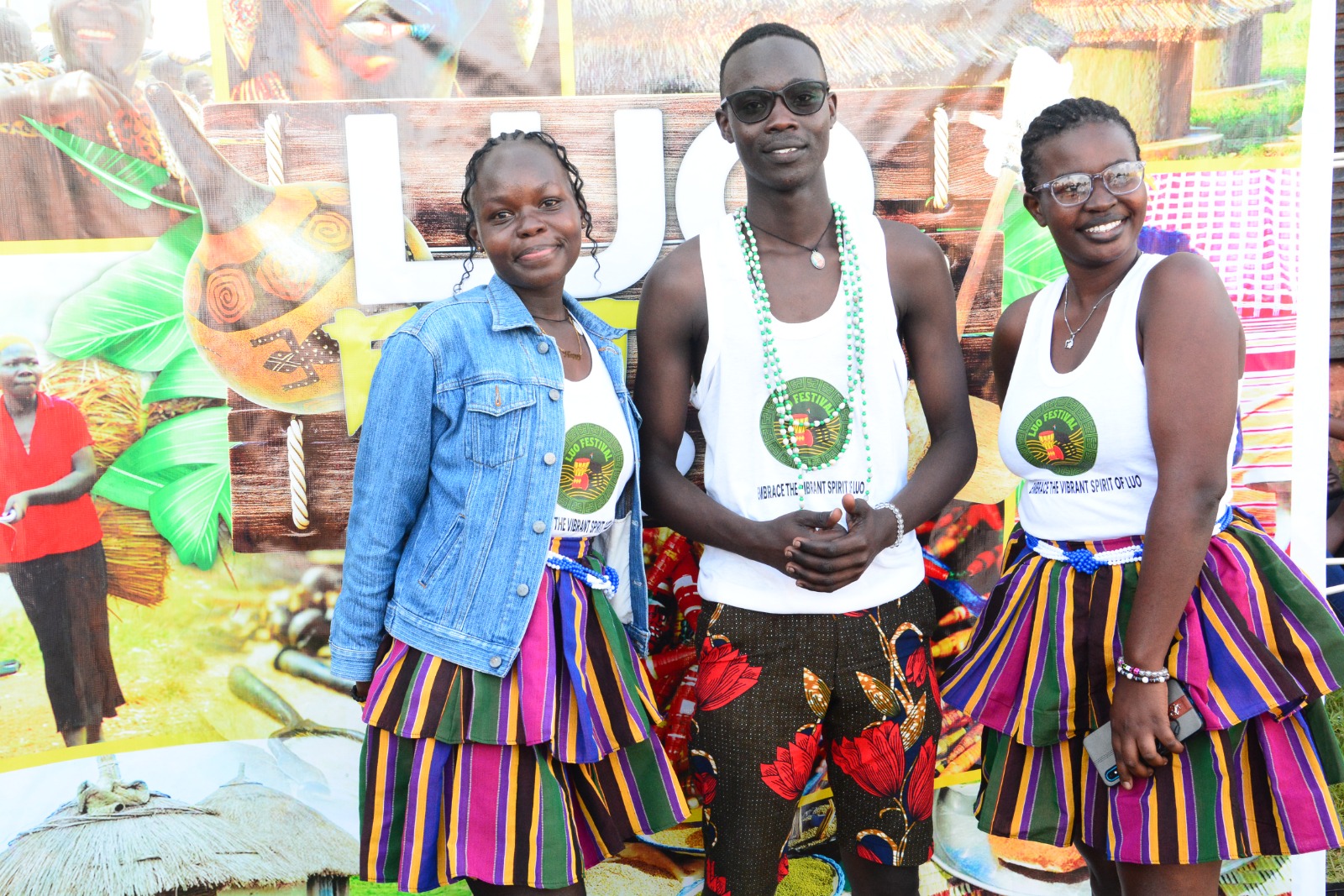
- Acholi (Acoli): Found in the Acholi sub-region of Northern Uganda (Gulu, Kitgum, Pader, Lamwo, Nwoya, Amuru, Agago, and Omoro districts). The Acholi number approximately 1.5-2 million people.
- Langi: Located in Lango sub-region (Lira, Apac, Oyam, Alebtong, Amolatar, Dokolo, and Kole districts). The Langi population is approximately 2-2.5 million.
- Alur: Found along the West Nile region, particularly in Nebbi, Zombo, and Pakwach districts, as well as across the border into the Democratic Republic of Congo. The Ugandan Alur population is approximately 1 million.
- Jonam: A smaller Luo group found in Pakwach District along the Albert Nile.
- Kumam: Located in the Soroti and Kaberamaido districts of eastern Uganda.
- Jopadhola: Primarily found in eastern Uganda, especially in Tororo District, and number about 500,000 people.
South Sudan
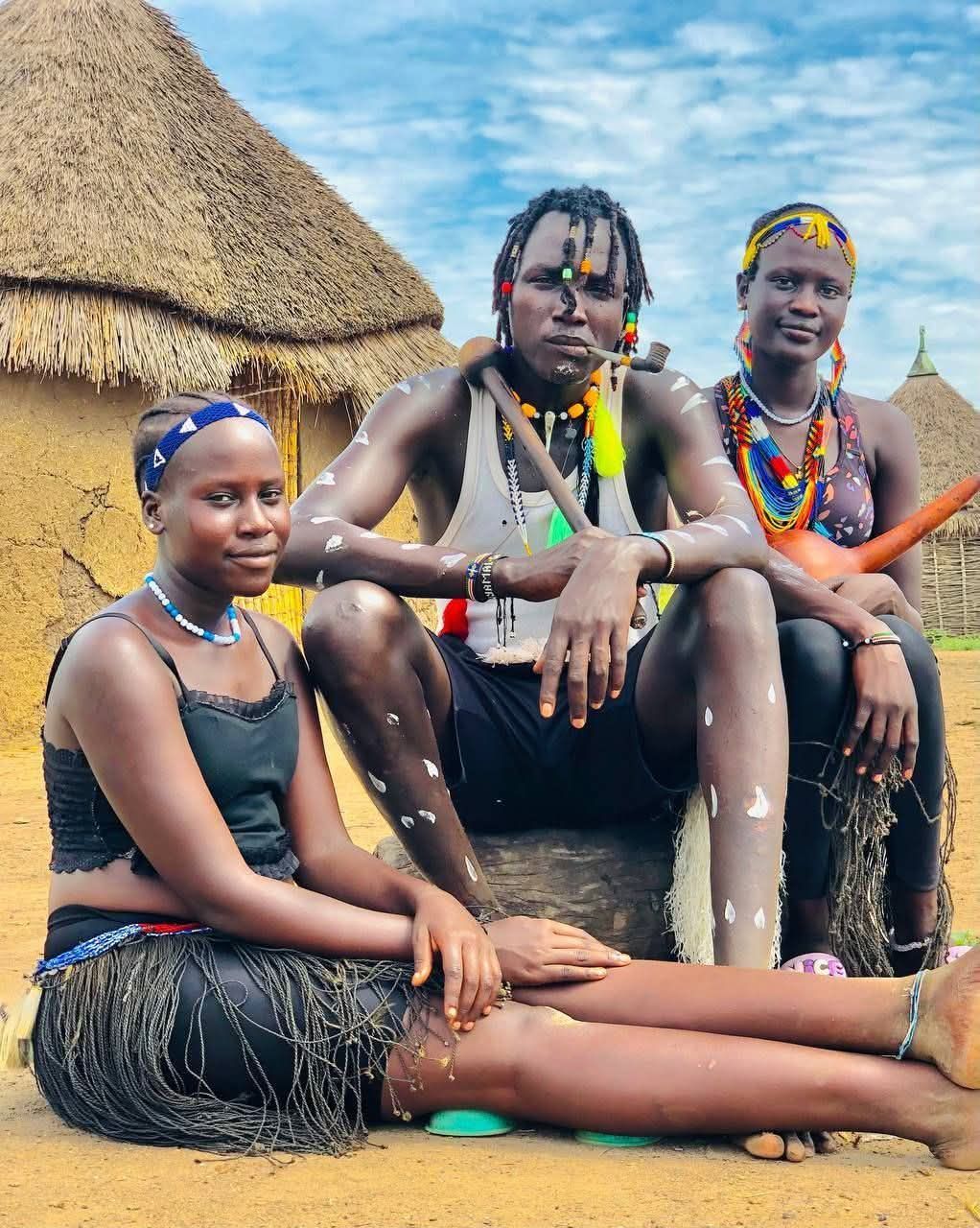
- Collo (Shilluk): One of the largest Luo groups in South Sudan, found primarily along the western bank of the White Nile in Upper Nile State, with their capital at Kodok (formerly Fashoda). The Collo number approximately 500,000-800,000.
- Anyuak (Anuak): Found in the Upper Nile region, particularly in Maban and Melut counties, as well as across the border in Ethiopia. Population is approximately 100,000-150,000 in South Sudan.
- Pari (Lokoro): A smaller Luo group in Eastern Equatoria and Jonglei states.
- Boor (Balanda Bor): Found in Western Equatoria State, the Boor are sometimes classified as part of the broader Luo-speaking family.
- Jur (Luwo): Found in Western Bahr el Ghazal State, particularly in Raja County.
- Thuri: A Luo sub-group in the Lakes State region.
Democratic Republic of Congo (DRC)
- Alur: The Congolese Alur are found in Ituri Province, particularly in Mahagi Territory. They maintain strong cultural and linguistic ties with the Alur of Uganda, despite the international border. Their population is approximately 500,000-700,000.
Ethiopia
- Anyuak (Anuak): The Ethiopian Anyuak are found in Gambella Region, particularly in Gambella, Abobo, and Gog woredas. They maintain close ties with their South Sudanese relatives. Their population is approximately 100,000.
Tanzania
- Jo-Luo: A Luo population exists in the Mara Region of northwestern Tanzania, particularly around the Mara River and Lake Victoria shores. They share cultural ties with the Kenyan Luo and were merely separated by the colonial border.
Understanding Our Separation
These borders have had profound consequences:
-
Economic Separation
Trade networks that existed for centuries were disrupted. A fisherman from Kisumu cannot easily sell his catch in Juba. A businesswoman from Gulu faces barriers when trading with her relatives in Siaya.
-
Cultural Fragmentation
Different colonial languages (English, French) and postindependence national policies have created linguistic drift. An Acholi may struggle to understand older Kenyan Luo dialects, even though we share the same ancestral language.
-
Educational Barriers
Our children learn different curricula, in different languages, focused on different national histories, often with little mention of our shared Luo heritage.
-
Mobility Restrictions
Colonial and post-colonial visa requirements, border controls, and national citizenship laws mean that Luo people need passports to visit relatives across artificial lines.
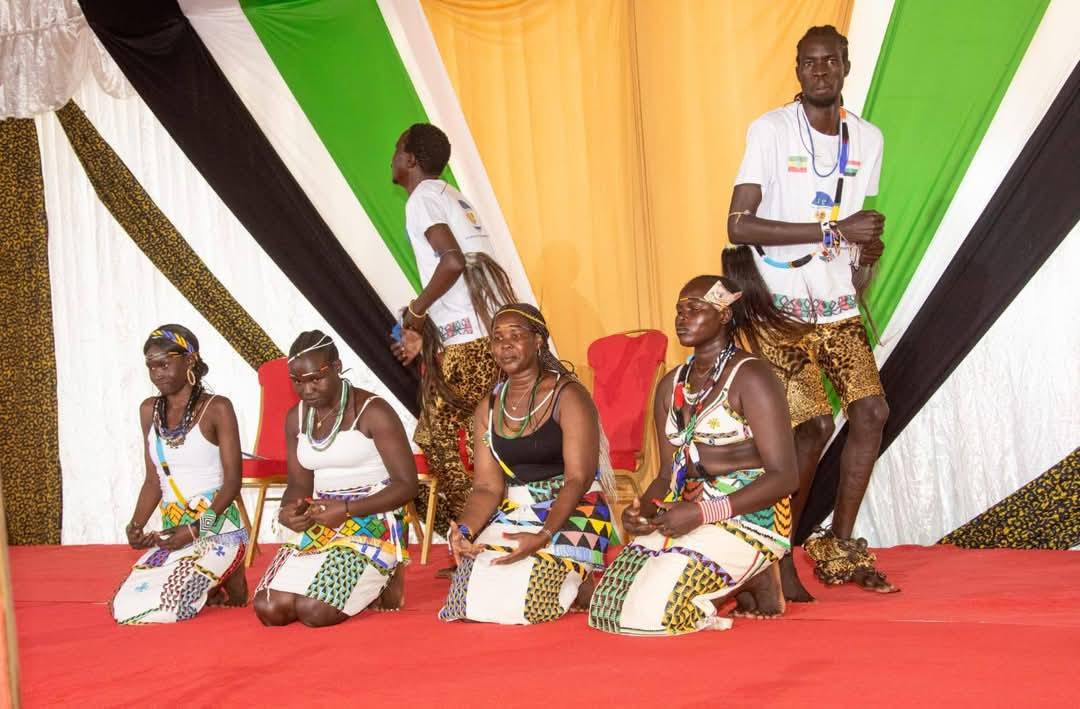
Yet despite these divisions, we remain one people. The same proverbs echo in our villages from Acholi-land to Homa Bay. The same rhythms pulse through our music from Gambella to Mahagi. The same values of hospitality, community, resilience, integrity and dignity guide us whether we carry Kenyan, Ugandan, South Sudanese, Congolese, Ethiopian, or Tanzanian passports.
The Luo National Congress exists precisely to overcome these artificial divisions and reunite what colonialism fragmented.
The Birth of LNC
It is here that the Luo National Congress comes with a proposal for multi-dimensional integration of the Luo body, an integration of stakeholders, of segments of Luo society, to strengthen social cohesion and the cohesion of Pinyluo itself.
LNC recognizes that integration cannot be one-dimensional. We cannot simply say
"come together" without creating the pathways and platforms for that coming together
to happen meaningfully.
Therefore, LNC was founded on the principle of multidimensional integration:
-
Economic Integration
Making Joluo find each other in trade associations, business networks, and economic partnerships. When Luo entrepreneurs connect across borders, when Luo professionals mentor the next generation, when Luo capital flows back to Luo businesses, we all prosper.
-
Social Integration
Making Joluo find each other without hindrance, women and men, the youth and the old, the educated and the skilled artisan, the urban professional and the rural farmer. Every voice matters. Every generation has wisdom to offer.
-
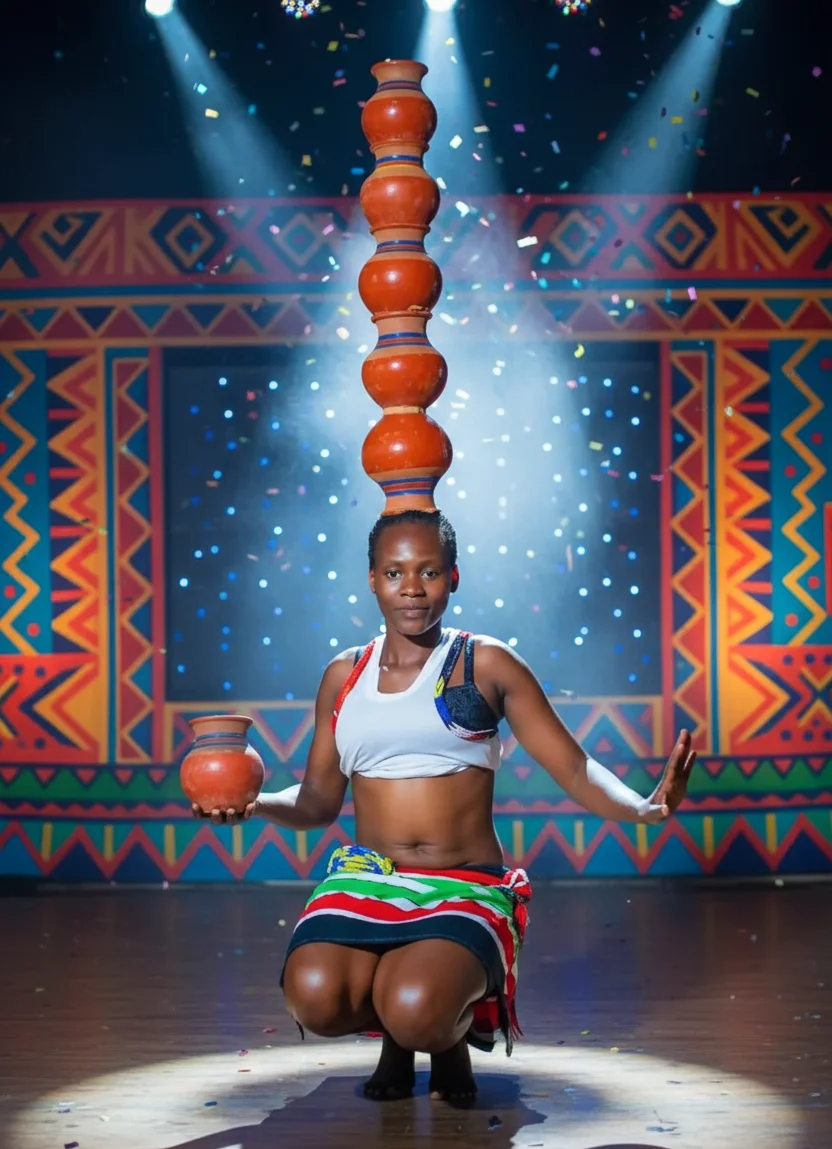
Cultural Integration
Making us find each other as Acoli, Alur, Anyuak, Balanda Boor, Collo, Pari, Luwo, Langi, Kuman, Jopadhola, or as Thuri. Recognizing that our diversity within the Luo family is strength, not weakness. Celebrating what makes each group unique while honoring what makes us all Luo.
-
Diaspora Integration
Making us find each other and connect Joluo in the diaspora including their children and grandchildren who may not speak the language but carry the heritage back to Pacho (home). Building bridges that allow knowledge, resources, and love to flow in both directions.
-
Generational Integration
Ensuring that the wisdom of our elders is not lost, that the energy of our youth is not wasted, that the innovations of the present honor the sacrifices of the past, and that we build for future generations yet unborn.
From Vision to Reality
The Luo National Congress was born from this understanding. Founded five years ago,
we are not just another organization, we are the institutional manifestation of a
centuries-old dream. We are the modern answer to the call our ancestors made when
they founded the Luo Union. We are the bridge between the generations, between the
homeland and the diaspora, between tradition and innovation, between what was and
what can be.
In just five years, LNC has grown from a vision shared by a few committed leaders into a
vibrant reality, with members across the globe working together to
build a stronger, more united Luo nation. We have learned from the mistakes that
destroyed the Luo Union, we have built safeguards against external interference, we
have created democratic structures that ensure accountability, we have embraced
technology that makes coordination across borders possible.
We stand on the shoulders of giants, of the freedom fighters who never gave up, of the educators who preserved our language when it was threatened, of the artists and musicians who kept our culture alive, of the ordinary men and women who raised their children with pride in their Luo identity even when it was not politically convenient to do so.
The Path Forward
The success of this Luo integration is the beginning of Luo prosperity in our ancestral
homeland of Pinyluo. When we are united, we are unstoppable. When we work
together, we can overcome any challenge. When we channel our collective resources -
human, financial, intellectual, cultural - toward common goals, there is no limit to what
we can achieve.
This is not a dream. This is not wishful thinking. This is a plan. This is a commitment.
This is happening now.
The elastic band is tightening.
Wan Aciel - We are One.
The Luo National Congress is the vehicle.